

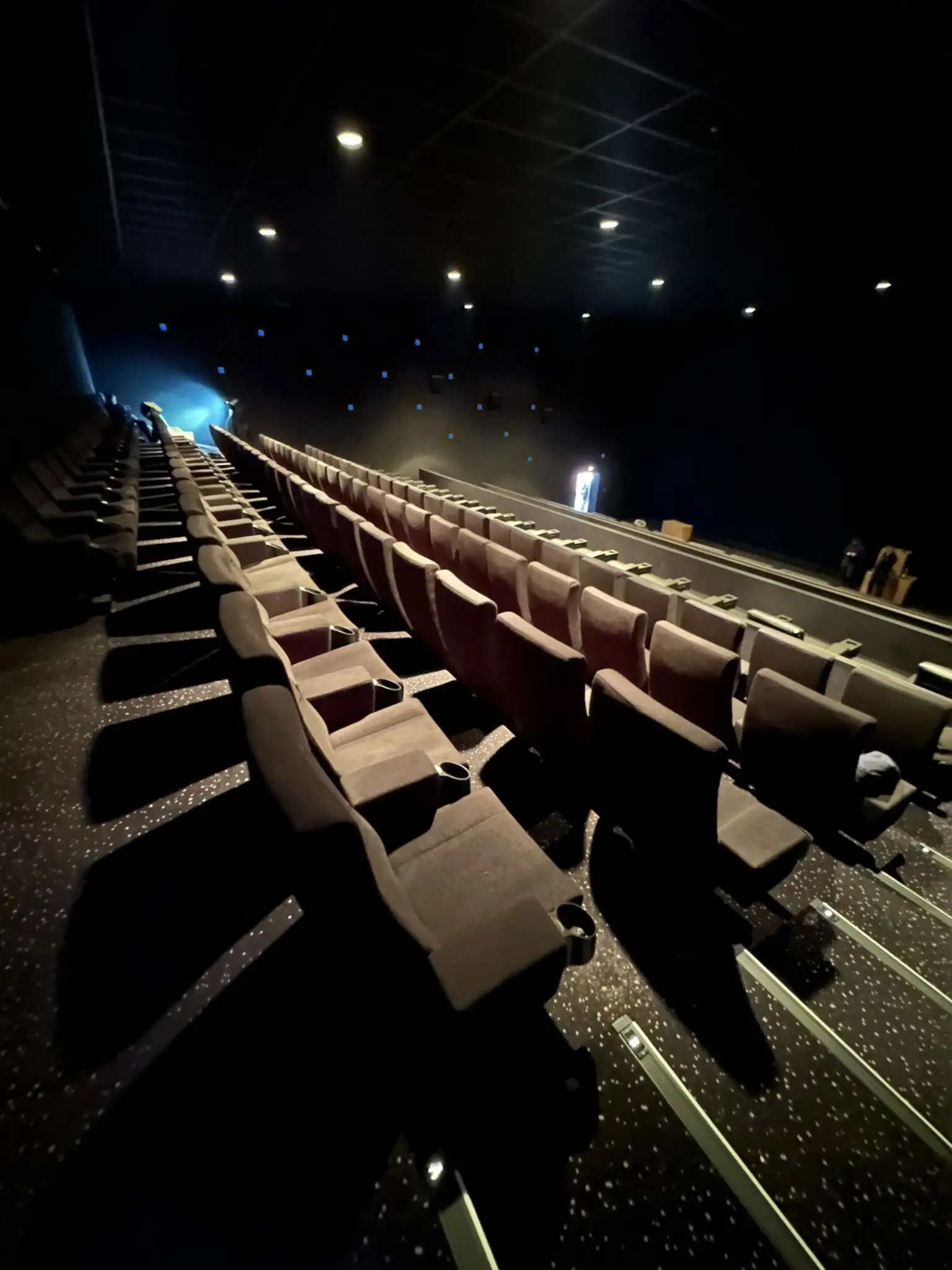
Balancing Comfort and Safety in Cinema Chairs
How to Choose the Right Solution
When designing a cinema hall, seating is often evaluated based on appearance and cost alone. However, the right cinema chair is a balance between comfort, safety, and long-term performance. If this balance is not properly achieved, even the best-designed cinema environment can fail to deliver a satisfying user experience while increasing operational costs over time.
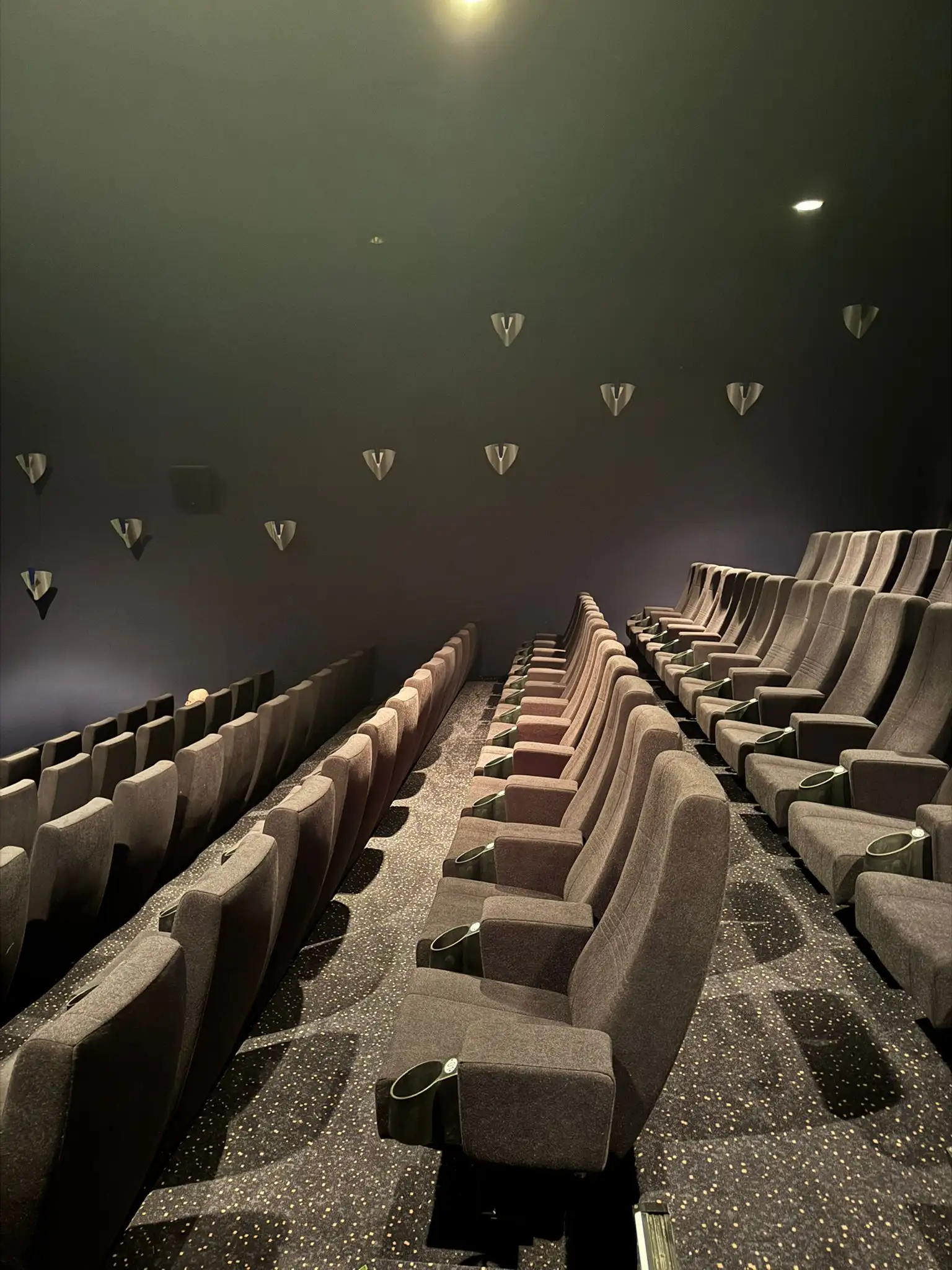
Comfort is the most visible aspect of a cinema chair, but it is also one of the most complex. Seat angle, foam density, back support, and armrest ergonomics must work together as a system. A well-designed chair distributes body weight evenly, preventing pressure points and allowing viewers to remain comfortable during long screenings. When comfort is properly engineered, the audience focuses entirely on the film rather than adjusting their seating position.
Safety is a critical factor that should never be overlooked. Cinemas are enclosed public spaces, and all materials used must comply with strict safety standards. Flame-retardant fabrics and leathers play a key role in this context. These materials are designed to slow down the spread of fire, providing valuable time in emergency situations and reducing overall risk. Compliance with international fire safety standards is not only a regulatory requirement but also a fundamental element of responsible cinema design.
Durability is the third essential pillar of cinema seating. Cinema chairs are subject to continuous use, and low-quality products can quickly lose their structural integrity. Strong internal metal frames, reinforced connections, and high-density molded foams ensure that the chair maintains its shape and performance over many years. This reduces the need for frequent repairs and replacements, resulting in lower long-term costs for operators.
Material selection directly affects both performance and maintenance. High-quality upholstery must be resistant to wear, easy to clean, and capable of maintaining its appearance over time. In high-traffic cinema environments, materials that resist stains and daily impact are essential for preserving a clean and professional look.
Another important aspect is the reliability of seat mechanisms. In standard cinema chairs, foldable seat systems must operate smoothly and silently. Poor-quality mechanisms can lead to noise, malfunction, or inconsistent performance, all of which negatively affect the audience experience. Reliable mechanisms ensure long-term functionality and maintain the overall quality of the hall.
Ergonomics and spacing also contribute to overall comfort and usability. Proper row spacing and seat dimensions allow easy movement within the hall while ensuring that each viewer has sufficient personal space. This improves both accessibility and the overall perception of comfort.
From a business perspective, choosing the right cinema chair is a long-term investment. While lower-cost options may seem attractive initially, they often result in higher maintenance costs and shorter product lifespan. High-quality seating, on the other hand, delivers consistent performance, reduces operational issues, and enhances customer satisfaction.
Ultimately, cinema chairs must perform reliably in every aspect. They must be comfortable enough to support long viewing sessions, safe enough to meet strict regulations, and durable enough to withstand years of continuous use. By focusing on these core principles, cinema operators can create environments that offer both high-quality experiences and long-term operational efficiency.
Created By : Simko Cinema Seating